Medical Payment Plans vs. Loans: Preserving Your Cash Flow

Jordan Hayes

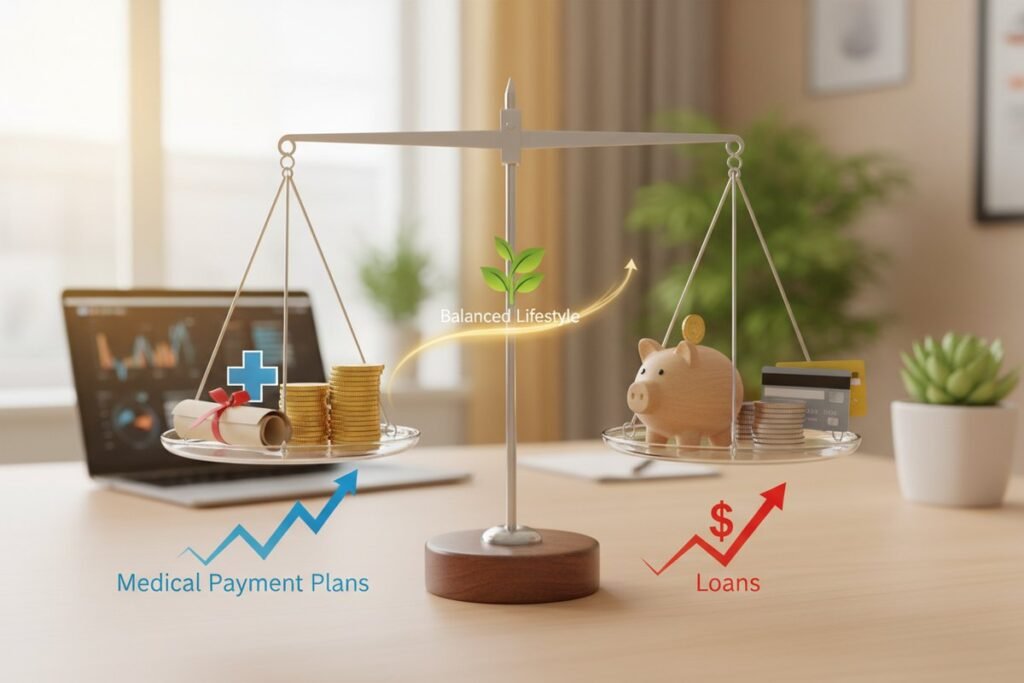
When a large medical bill arrives, the impulse to pay it immediately with a credit card is a financial mistake that could cost you thousands. Most patients unknowingly swap a flexible, interest-free obligation for high-interest debt the moment they swipe. The real decision isn’t just about how to pay, but whether you should be paying the full amount at all.

This guide compares direct provider payment plans against medical loans and credit cards, specifically for preserving monthly cash flow. It is not for those seeking debt forgiveness or bankruptcy advice, but for patients needing to manage large unexpected expenses without wrecking their budget.

The Golden Rule: Provider Plans First

Before you even look at a loan application, you must exhaust the internal financing options at your hospital or clinic. In practice, medical providers act as the most lenient lenders you will ever find.

Most hospitals prefer to set up a direct payment plan rather than selling your debt to a collector. These in-house plans often come with 0% interest and terms that can stretch from 6 to 24 months. Unlike a bank loan, these arrangements rarely appear on your credit report unless you default.

For example, if you owe $2,400, a provider might accept $100 a month for two years interest-free. If you moved that same balance to a standard credit card, you would pay hundreds in interest. Always ask the billing department specifically for “interest-free installment options” before discussing any other payment method.

The Trap: Deferred Interest Medical Cards

You may be offered a dedicated medical credit card like CareCredit while standing at the reception desk. These tools can be useful, but they carry a specific risk called “deferred interest.”

These cards often advertise “0% interest for 12 months.” However, the terms usually dictate that if you have a balance of even $1 remaining after the promotional period ends, you will be charged retroactive interest on the entire original amount, not just the remaining balance. This can effectively spike your interest rate to over 26% instantly.

Use these cards only if you have the cash flow to pay off the entire balance well before the deadline. Check the “Promotional Financing” terms on the CareCredit website to understand exactly how these periods work.

When to Choose a Personal Loan

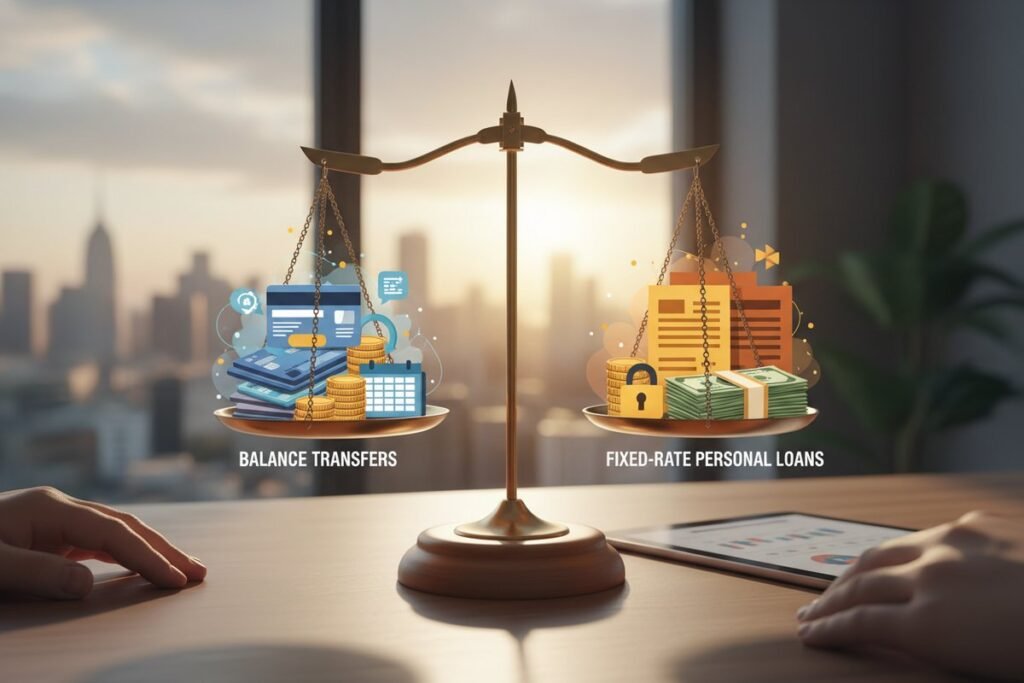
A personal loan becomes the superior choice when your medical provider demands full payment upfront or offers a payment plan with high monthly minimums that threaten your cash flow. Companies like SoFi offer fixed-rate personal loans that provide a lump sum of cash.

The Trade-offs

Choosing a personal loan over a provider plan involves specific sacrifices:

  • Interest Costs: Unlike most provider plans, personal loans will charge interest (often 10-15% or higher depending on credit).
  • Credit Impact: A loan appears immediately as a hard inquiry and a new debt obligation on your credit report.
  • Loss of Leverage: Once you pay the doctor with loan money, you lose the ability to negotiate the bill further if billing errors are discovered later.

However, a loan is better than a high-interest credit card. You can compare rates for medical financing on SoFi under their “Personal Loans” section.

Common Mistakes to Avoid

Paying Without an Itemized Bill
Never agree to a payment plan or loan until you have audited an itemized statement. Up to 80% of medical bills contain errors. Paying the total immediately validates these errors.

Putting Medical Bills on General Credit Cards
Using a Chase or Capital One card for medical debt is usually the most expensive option. Unless you are chasing rewards points and can pay it off in 30 days, the double-digit interest rates will destroy your cash flow.

Ignoring “Charity Care” Policies
Non-profit hospitals are legally required to offer financial assistance programs. Even middle-income earners can sometimes qualify for partial bill forgiveness. Always ask for the “financial assistance application” before setting up a payment plan.

Your Negotiation Checklist

Follow this sequence before signing any financing agreement:

  • Request an Itemized Bill: Ensure you aren’t being charged for duplicate services or cancelled procedures.
  • Check Insurance EOB: Compare the bill against your insurance company’s “Explanation of Benefits” to ensure you only pay what you owe.
  • Ask for the “Cash Price”: Providers often accept a lower lump sum (20-30% off) if you pay immediately. This is the only time a personal loan might save you money mathematically.
  • Propose a Monthly Cap: Tell the billing office, “I can afford $X per month.” Start lower than your actual max budget.
  • Confirm Reporting Status: Ask explicitly if the payment plan will be reported to credit bureaus (it usually isn’t).

New Credit Reporting Rules

As of late 2025 and early 2026, the landscape for medical debt reporting has shifted. While unpaid medical collections under $500 have largely been removed from reports, larger unpaid debts can still appear after a one-year waiting period.

This “safe harbor” period gives you time to negotiate or set up a payment plan without fear of immediate credit damage. You can verify your current standing by checking your report on Experian or other bureau sites.

The Final Verdict

The real question is about the cost of capital. If your provider offers a 0% in-house plan, take it-it is essentially free money. If they refuse and demand immediate payment, a fixed-rate personal loan is your safety net to avoid credit card debt. Reserve medical credit cards for smaller, manageable expenses where you are certain you can beat the deferred interest clock.